Keep Breathing—seriously
I took Adventure magazine, a National Geographic publication, for the waiting room years ago. In the July 2008 issue there was an article titled Terrorist at the Tea Party which normally I would not be drawn to read since I have enough anxiety without adding more. The article talked about the means in their own lives police officers and agents were using to deal with terrorism.
The article talked about deep breathing and how one policeman practiced sitting in his squad car—siren screaming, lights flashing—learning to deep breath working to create a pavlovian response within himself to the siren and lights. He was training himself to deep breath within the stressful situations he finds himself.

Decades ago when I was in therapy myself I was selected in psychodrama to be the protagonist—sharing a scene from my family of origin. The facilitator asked me to walk with her awhile around the room. She asked me, “Are you breathing?” Which I thought was a dumb question since usually no breathing means dead. What she was pointing out was in my nervousness my breathing was very shallow. In the midst of trauma we even hold our breathe at times.

The article in Adventure also quoted a study at Harvard Medical School by instructor Sara Lazar. She compared the brains of 20 regular people—not Buddhist monks—that had long histories of meditating to people of similar backgrounds who did not meditate. “The meditators had 5 percent thicker brain tissue in the parts of their prefrontal cortex that are engaged during meditation—which were the parts that handle emotion regulation, attention, and working memory—all of which help control stress”. She proposed “the meditators had discovered a connection in the brain between the conscious and subconscious—that most people don’t know exists”.
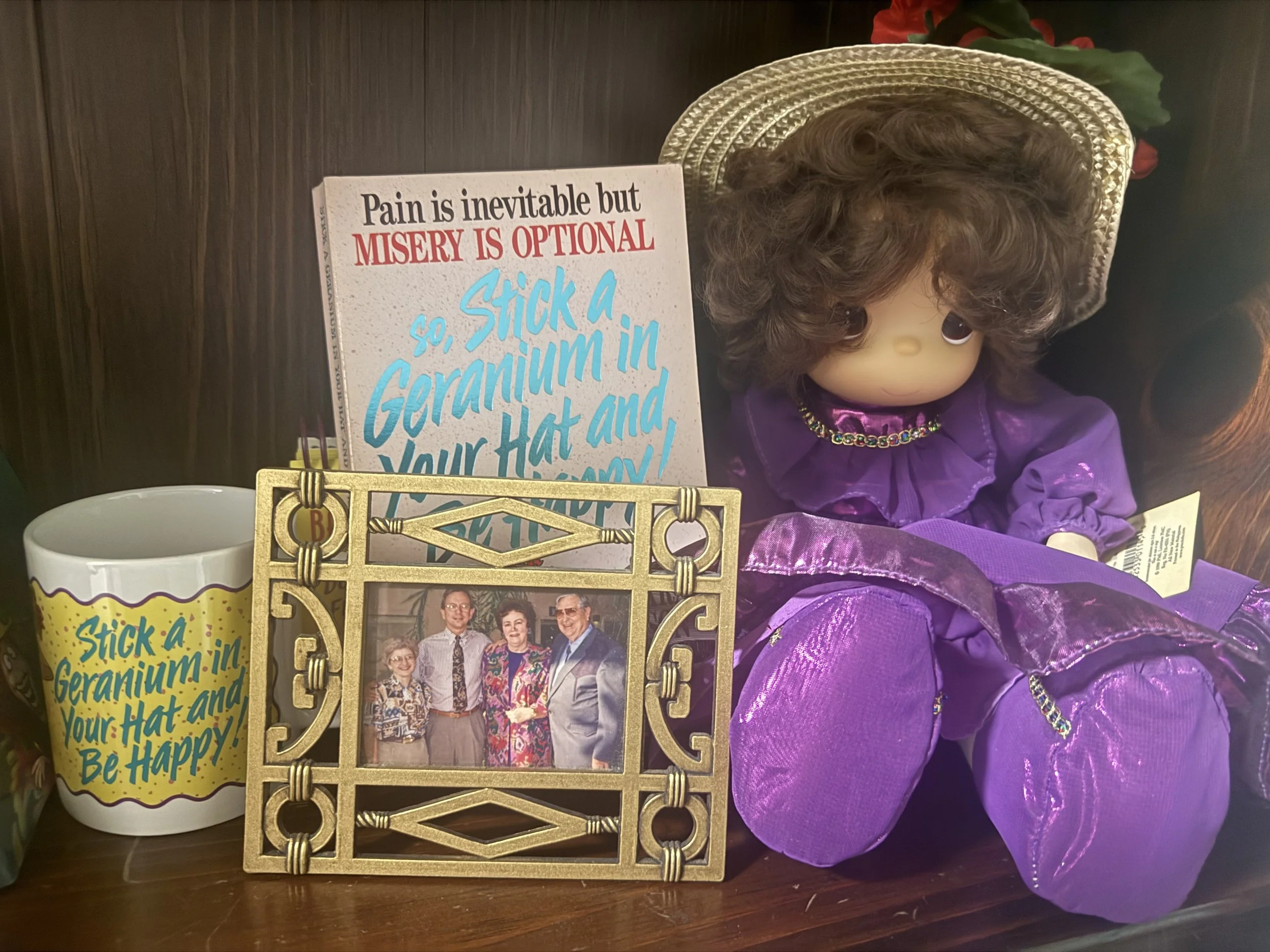
The Adventure article went on to talk about the benefits of hearty laughter. My friend and ‘step-mom’ Barbara Johnson (the Stick a Geranium in your Hat and Be Happy author) was exceptional when it came to laughter. She and I had many conversations over the years about the ‘medicinal benefits’ of laughter. Barb was a master at sharing difficult, stressful circumstances from her own life along with life stories that were hilarious—moving her listeners from tears one moment to side splitting laughter the next.

I wrote the magazine saying these ‘techniques’ are ones I had suggested and used for years with clients—and myself. With the fear, chaos and anxiety that permeates our society and our individual lives, everyone can benefit from deep breathing, meditation and laughter. I still recommend reducing if not eliminating time scrolling through social media or watching news programs. That input is a steady diet of worries. Reinhold Niebuhr begins The Serenity Prayer, “Grant me the serenity to accept what I cannot change”—a long list of nearly everything short of my own responses to life.

I also suggest the use of a mantra, which may scare some for fear I am encouraging them into some eastern religious experience (then again, maybe I am). I simply mean to pick some element of your own truth—something you believe, then repeat it to yourself multiple times. Personally one of my problems is forgetting the truth I know. I need regular reminders of what I forget that I know and believe—hence, meditation and/or daily readings. What causes the loss of memory? It is often the preoccupation with the busyness of our lives along with fear/anxiety of the ‘what ifs’. The mantra comes in handy recalling truth I know—repetition does work. It is the positive counterpart of having to write “I will not chew gum in class” 100 times. Or you could say it is the redemption of my propensity for OCD—turning it into a positive obsession—of truth, beauty goodness, the pathway ultimately to all Truth (capital T).

Philippians 4:8 says ‘summing it all up friends, I’d say you’ll do best by filling your minds and meditating on things true, noble, reputable, authentic, compelling and gracious—the best, not the worst, the beautiful, not the ugly; things to praise, not things to curse’ (The Message translation). He concludes, ‘practice these things and the God of peace will be with you.
This quote from Carl Jung still hangs in my study, “Bidden or unbidden, God is present.” His presence always totally surrounds us. The momentary absence we may ‘feel’ is just that, a feeling. He goes nowhere because He is everywhere. The promise I personally cling to—“I will never leave you or forsake you”.
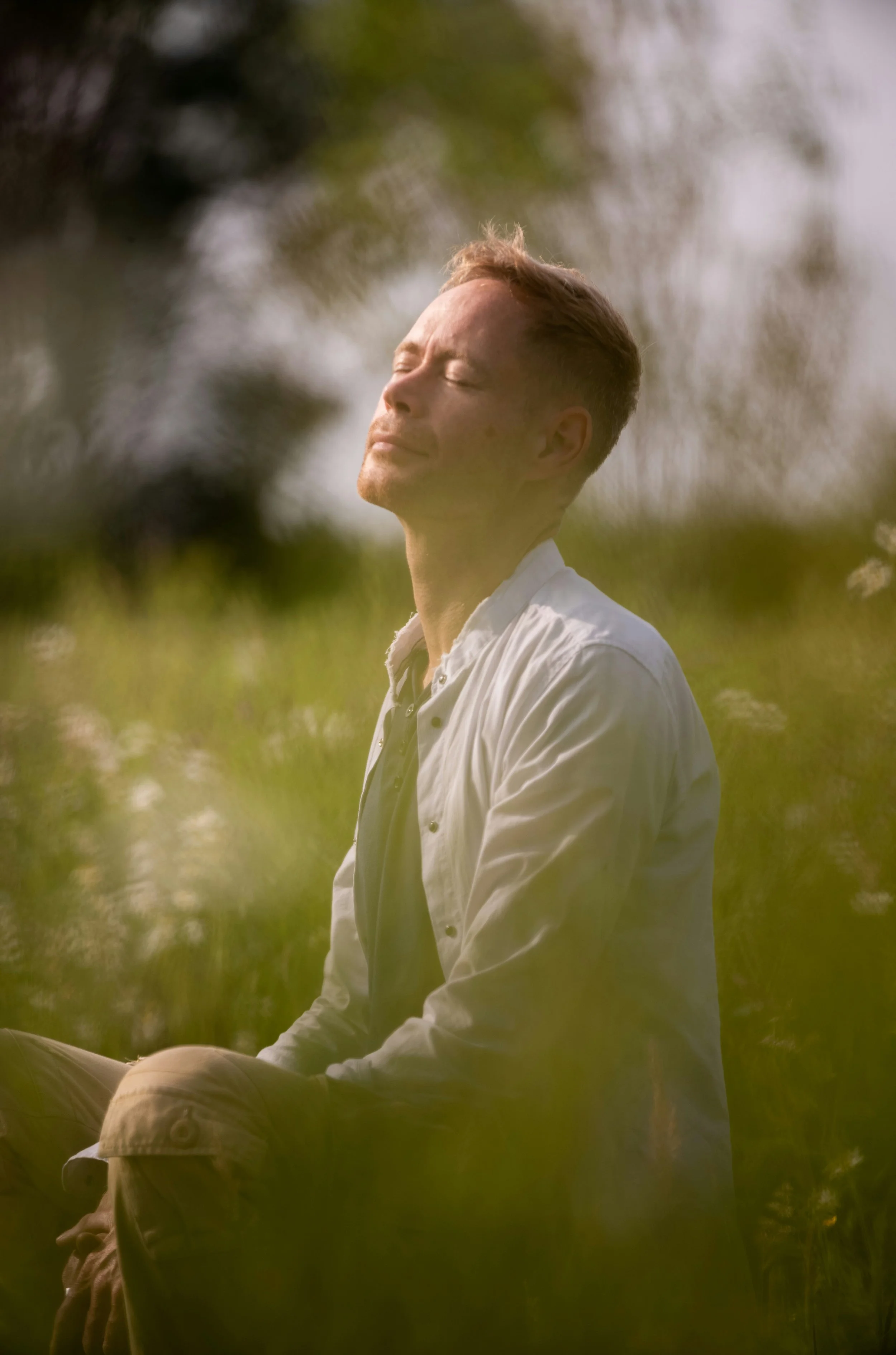
Do I personally meditate every day? I try but methodically no I don’t. Yet often in the midst of my days there are reminders of His closeness—closer than my breathe.
God inhabits each of these practices on our part—slow down and make room.
(First wrote this August 2008, was worth reprinting today)